Buzz's Note:
Apparently, in the high-stakes world of political security, a locked-down government-issued device is just too much to ask for. I guess when you are that important, you simply outsource your national secrets to whatever hardware happens to be in your pocket at 3:00 AM. 📱
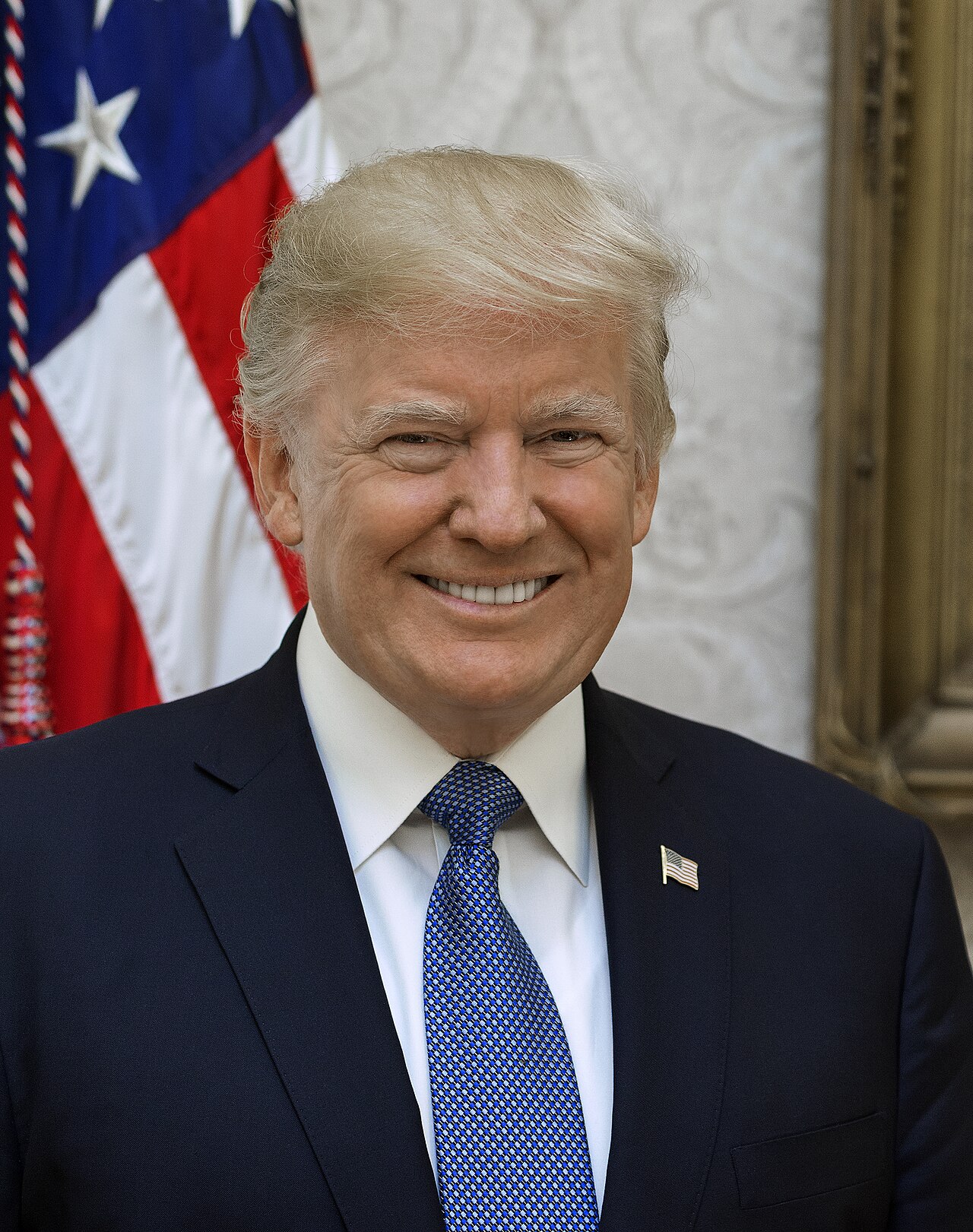
The persistent discourse surrounding the former president’s mobile device usage has emerged as a focal point in broader discussions regarding executive branch cybersecurity. Throughout his tenure and subsequent political activity, questions have been raised about the use of standard consumer-grade smartphones for official communication. These concerns center on the vulnerability of such devices to foreign intelligence interception and the potential exposure of classified information through unsecured channels.
Security experts have frequently emphasized that the hardware architecture of commercial phones lacks the sophisticated encryption required for presidential-level interactions. At the heart of the debate is the tension between operational convenience and the rigid protocols established by the National Security Agency. While modern smartphones offer seamless connectivity and ease of use, they do not inherently provide the multi-layered security measures mandated for high-ranking government officials.
The primary risk associated with these devices involves signal intercept technologies that can track location data and capture audio transmissions in near real-time. For a high-profile figure, such vulnerabilities pose a significant threat to national security, potentially compromising sensitive deliberations or strategic plans. Government agencies have historically attempted to mitigate these risks by issuing highly modified devices to the executive branch, which often include stripped-down operating systems and restricted application stores.
However, anecdotal reports have frequently suggested a preference for standard models, which bypass these restrictive security controls in favor of accessibility. This behavior has led to repeated warnings from cybersecurity specialists who argue that even the most robust commercial security settings are insufficient to deter state-sponsored cyber actors. The debate is further complicated by the fact that mobile device management policies are often difficult to enforce among those at the highest levels of political power.
Ultimately, the issue of the so-called Trump phone serves as a case study for the evolving challenges of digital hygiene in the modern political era. As communication technology continues to outpace the development of secure hardware, the disparity between private usage and official protection protocols remains a critical concern for intelligence communities. The episode underscores a broader vulnerability within the federal government, where the intersection of personal habits and professional duties creates an environment ripe for exploitation.
Moving forward, the conversation will likely influence how future administrations handle the implementation of hardware security and mobile device protocols.
AVAV: The Drone Stock Everyone Is Too Wrong About
54 min ago